Small Claims Court: Your Guide to Consumer Disputes Under $10,000
Anúncios
In a world brimming with transactions, disagreements are inevitable. From a faulty appliance to an unfulfilled service contract, consumer disputes can be frustrating and costly. When the stakes are relatively low, typically under $10,000, many individuals feel powerless, assuming that legal recourse is too expensive or complex. This is precisely where the power of small claims court comes into play.
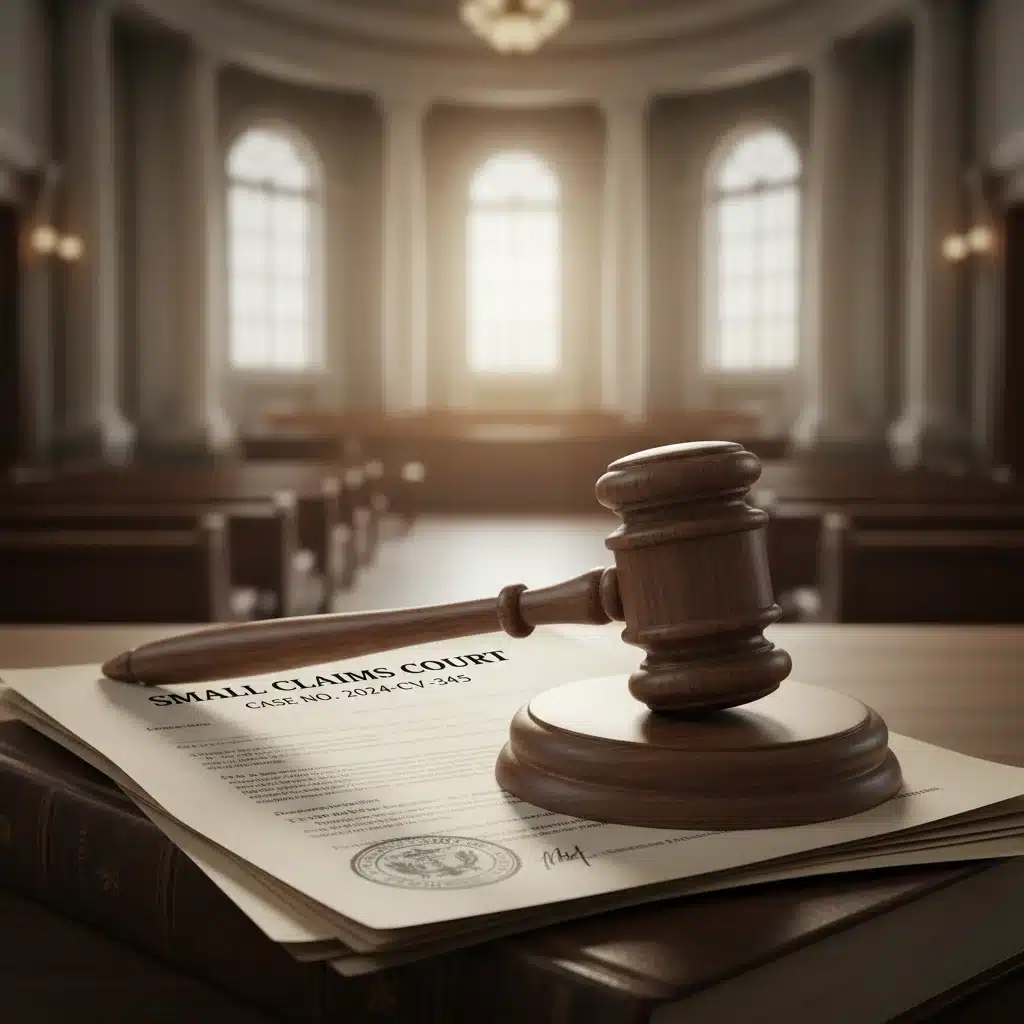
Small claims court is a specialized division of the judicial system designed to handle minor civil disputes efficiently and affordably. It provides an accessible avenue for individuals to seek justice without the need for expensive lawyers, complex legal procedures, or lengthy trials. For consumers facing issues such as breach of contract, property damage, or disputes over goods and services, understanding and utilizing small claims court can be a game-changer.
This comprehensive guide will walk you through everything you need to know about navigating small claims court for consumer disputes under $10,000. We will delve into its purpose, the types of cases it handles, the step-by-step process, how to prepare a compelling case, and what to expect during and after your hearing. Our goal is to empower you with the knowledge and confidence to effectively assert your rights and recover what you are owed.
Understanding Small Claims Court: A Foundation for Justice
Before embarking on the journey of filing a claim, it’s crucial to grasp the fundamental principles of small claims court. This understanding will not only demystify the process but also help you determine if it’s the right path for your specific situation.
Anúncios
What is Small Claims Court?
At its core, small claims court is a court of limited jurisdiction. This means it can only hear certain types of cases and only up to a specific monetary limit. The exact monetary limit varies by state (and sometimes by county), but it commonly ranges from $2,500 to $10,000. For the purpose of this guide, we are focusing on disputes under $10,000, which falls squarely within the typical jurisdiction of these courts.
The primary objective of small claims court is to provide a swift, informal, and inexpensive method for resolving disputes. Unlike higher courts, the rules of evidence and procedure are often relaxed, and parties are typically allowed, and even encouraged, to represent themselves. This design makes it particularly suitable for individuals who cannot afford or choose not to hire an attorney for relatively minor financial grievances.
Common Types of Consumer Disputes Handled
Many everyday consumer problems can be resolved in small claims court. Some of the most frequent types of cases include:
- Breach of Contract: This occurs when one party fails to fulfill the terms of an agreement, such as a contractor who doesn’t complete work as promised or a seller who doesn’t deliver goods.
- Property Damage: Disputes involving damage to personal property, such as a dry cleaner ruining clothes or a repair shop damaging a vehicle.
- Unpaid Debts: If someone owes you money for goods or services provided, you can use small claims court to recover it.
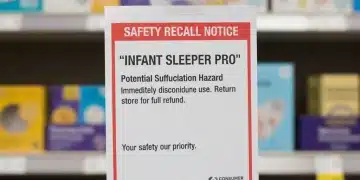
- Faulty Goods or Services: When you purchase a product that is defective or receive a service that was performed poorly, and the seller or provider refuses to offer a refund or remedy.
- Security Deposit Disputes: Landlords withholding a security deposit unfairly.
- Warranty Issues: If a product under warranty fails and the manufacturer or seller refuses to honor the warranty.
It’s important to note that certain types of cases, such as divorce, bankruptcy, libel, slander, or cases involving significant personal injury, are generally not heard in small claims court due to their complexity or the nature of the remedies sought.
Benefits of Using Small Claims Court
Opting for small claims court offers several distinct advantages for consumers:
- Cost-Effectiveness: Filing fees are generally low, and you typically don’t need to pay for an attorney.
- Speed: Cases are usually resolved much faster than in higher courts, often within a few months.
- Simplicity: The procedures are designed to be straightforward, making it easier for individuals to represent themselves.
- Accessibility: It provides a legal avenue for ordinary citizens to seek justice without being intimidated by the formal legal system.
- Fairness: Judges in small claims court are often experienced in handling these types of disputes and aim to achieve a just outcome.
The Pre-Filing Stage: Laying the Groundwork for Success
Before you even think about stepping into a courthouse, significant preparation is required. The pre-filing stage is critical for building a strong case and potentially resolving the dispute without litigation.
Attempting to Resolve the Dispute Informally
The first and often most effective step is to try and resolve the issue directly with the other party. This demonstrates good faith and can save you time, money, and stress. Keep a detailed record of all your attempts:
- Communication: Send a polite but firm letter or email outlining your complaint, the facts, the desired resolution, and a reasonable deadline for response. This is often called a "demand letter."
- Negotiation: Be open to negotiation. Sometimes, a compromise can be reached that satisfies both parties.
- Mediation: Consider a third-party mediator. Many communities offer free or low-cost mediation services that can help facilitate a resolution.
If these efforts fail, your documented attempts will serve as valuable evidence in court, demonstrating that you tried to resolve the matter amicably.
Gathering and Organizing Evidence
Evidence is the backbone of any legal case. The more thoroughly you document your claim, the stronger your position will be. For small claims court, focus on clear, concise, and relevant evidence.
Anúncios
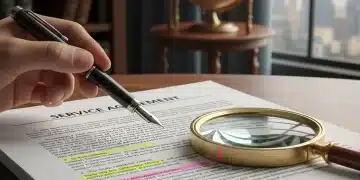
- Contracts and Agreements: Any written contracts, invoices, estimates, or service agreements.
- Correspondence: Emails, letters, text messages, or chat logs related to the dispute.
- Receipts and Proof of Payment: Bank statements, credit card statements, cancelled checks.
- Photos and Videos: Visual evidence of damage, defective products, or incomplete work.
- Witness Statements: If anyone witnessed the events, get their contact information and a written statement if possible.
- Repair Estimates: Quotes for repairing damage or replacing defective items.
- Product Information: Manuals, warranties, or product specifications.
Organize all this information chronologically and logically. Create multiple copies: one for you, one for the court, and one for the defendant.

Identifying the Correct Party to Sue (The Defendant)
This might seem obvious, but it’s a critical step. You must sue the correct legal entity. If it’s an individual, you need their full legal name and current address. If it’s a business, you need its legal business name and the address of its registered agent or principal place of business. A quick online search, a call to the Secretary of State’s office, or checking business licenses can help you find this information. Suing the wrong party can lead to delays or even dismissal of your case.
Determining Where to File (Jurisdiction and Venue)
You must file your case in the correct court. This involves two concepts:
- Jurisdiction: The court must have the authority to hear your type of case and the amount of money you are seeking. As established, small claims court typically handles monetary disputes under a certain threshold.
- Venue: This refers to the specific geographical location (county or judicial district) where you should file. Generally, you file in the county where the defendant lives or does business, or where the incident occurred.
Check your local court’s website or contact the clerk’s office for specific rules regarding jurisdiction and venue in your area.
The Filing Process: Initiating Your Small Claims Case
Once you’ve completed your preparation, it’s time to formally initiate your case in small claims court.
Completing the Statement of Claim (Complaint)
The first official document you’ll file is typically called a "Statement of Claim," "Complaint," or "Plaintiff’s Claim." This form requires you to provide:
- Your name and contact information (as the "Plaintiff").
- The defendant’s name and contact information.
- A clear, concise statement of why you are suing (the "facts" of the case).
- The exact amount of money you are claiming and how you arrived at that figure.
- The specific relief you are seeking (e.g., a full refund, cost of repairs).
Be truthful, accurate, and avoid emotional language. Stick to the facts. The court clerk can often provide guidance on filling out these forms, but they cannot give legal advice.
Paying Filing Fees
There will be a filing fee, which varies by jurisdiction. If you cannot afford the fee, you may be able to apply for a "fee waiver" or "in forma pauperis" status, which allows you to proceed without paying. You’ll need to provide financial information to qualify.
Serving the Defendant
After filing, the defendant must be officially notified that they are being sued. This process is called "service of process." Proper service is legally required, and if done incorrectly, your case could be delayed or dismissed. Common methods of service include:
- Certified Mail: Often the simplest and most common method, with a return receipt requested.
- Sheriff or Process Server: A law enforcement officer or a professional process server personally delivers the documents to the defendant. This ensures proper service and provides proof.
- Personal Service: In some jurisdictions, you might be able to have someone over 18 (who is not a party to the case) personally deliver the documents.
You must provide proof to the court that the defendant was properly served. The court clerk can explain the specific service requirements in your jurisdiction.
Preparing for Your Small Claims Court Hearing
Once your case is filed and served, you’ll receive a court date. This period between filing and the hearing is crucial for final preparations.
Organizing Your Presentation
Think of your hearing as telling a story to the judge – a factual, logical story supported by evidence. Organize your evidence in a way that makes sense, perhaps in a binder with tabs for each piece of evidence. Practice what you will say, focusing on clarity and conciseness. Judges appreciate brevity and directness.
Anticipating the Defendant’s Arguments
Consider what the defendant might say in their defense. What evidence might they present? How will you counter their claims? This foresight will help you prepare rebuttals and strengthen your own arguments.
Considering Settlement or Mediation Again
Even at this stage, a settlement is possible. Many small claims court systems offer mediation services prior to the hearing. This is an excellent opportunity to resolve the dispute with the help of a neutral third party, avoiding the uncertainty of a judge’s decision. If a settlement is reached, ensure it is put in writing and signed by both parties.

Understanding Courtroom Etiquette
While small claims court is less formal than higher courts, professionalism is still expected. Dress appropriately (business casual is usually fine), arrive on time, and address the judge as "Your Honor." Be respectful to the defendant and all court personnel. Avoid interruptions, emotional outbursts, or personal attacks. Focus solely on presenting your case and evidence.
The Small Claims Court Hearing: Presenting Your Case
The day of your hearing can be nerve-wracking, but with proper preparation, you can present your case effectively.
What to Expect on Hearing Day
Arrive early. Find your courtroom and check in with the clerk. You may observe other cases before yours, which can be helpful. When your case is called, you will approach the front of the courtroom.
Presenting Your Case (As the Plaintiff)
The judge will typically ask you to present your side first. Clearly and concisely state:
- The Problem: What happened?
- Your Evidence: Refer to your organized documents, photos, and witness statements. "Your Honor, on page 3 of my exhibit binder, you’ll find the contract outlining the terms."
- The Damages: How much money do you believe you are owed and why?
- Your Request: What specific outcome are you seeking from the court?
Speak clearly, maintain eye contact with the judge, and remain calm. Do not interrupt the judge or the defendant.
The Defendant’s Response
After you present, the defendant will have an opportunity to present their side and any evidence they have. Listen carefully to their arguments. Take notes if necessary, but do not interrupt.
Rebuttal and Judge’s Questions
You will likely have a chance to briefly respond to the defendant’s claims (rebuttal). Focus on correcting misinformation or highlighting inconsistencies. The judge may also ask questions of both parties. Answer truthfully and directly. If you don’t know an answer, simply state that you don’t know.
The Decision
The judge may make a decision immediately, or they may take the case "under advisement" and mail you their decision later. Regardless, respect the judge’s decision.
After the Hearing: Enforcing the Judgment
Winning your case in small claims court is a significant step, but it’s not always the end of the journey. The court’s decision is called a "judgment," and if the defendant doesn’t pay voluntarily, you may need to take steps to enforce it.
Understanding the Judgment
A judgment is a legal order stating that the defendant owes you money. It is a powerful legal tool, but the court does not automatically collect the money for you. This is your responsibility.
Collecting the Money
Many defendants will pay voluntarily. However, if they don’t, you have several options for collection, which vary by state:
- Wage Garnishment: A portion of the defendant’s wages can be withheld by their employer and sent directly to you.
- Bank Account Levy: Funds can be seized directly from the defendant’s bank account.
- Property Lien: A lien can be placed on the defendant’s real estate or other assets, which means you could be paid if they sell the property.
- Information Subpoena: You may be able to compel the defendant to disclose information about their assets and income.
These collection methods often require additional court filings and fees. The court clerk’s office can provide information on the specific procedures for enforcing judgments in your jurisdiction. Be aware that collecting a judgment can sometimes be challenging, especially if the defendant has limited assets or income.
Appeals
If either party is dissatisfied with the outcome, they may have the right to appeal the decision to a higher court. The grounds for appeal are generally limited to legal errors made by the judge, not simply disagreeing with the factual findings. Appeals are more complex and often require legal assistance.
Tips for Success in Small Claims Court
While the process is designed to be accessible, a few key strategies can significantly improve your chances of success:
- Do Your Homework: Thorough research into the law, the court procedures, and your specific case facts is paramount. Understand the legal basis for your claim.
- Be Organized: A well-organized presentation of evidence is crucial. Judges have limited time and appreciate clarity.
- Stay Calm and Professional: Emotional outbursts or personal attacks detract from your credibility. Focus on the facts.
- Practice Your Presentation: Rehearse what you will say to ensure it’s concise and covers all key points.
- Know Your Limit: Be realistic about the amount you can claim and what you can prove.
- Consider Mediation: It’s often a less stressful and quicker path to resolution.
- Follow Up on Judgment: If you win, be prepared to actively pursue collection if the defendant doesn’t pay voluntarily.
Common Misconceptions About Small Claims Court
Many people hesitate to use small claims court due to various misunderstandings. Let’s debunk a few:
- "It’s too complicated." While it requires effort, the procedures are intentionally simplified for non-lawyers. The forms are straightforward, and clerks are there to assist with procedural questions.
- "I’ll need a lawyer." You are generally not required to have a lawyer in small claims court, and in some jurisdictions, lawyers are even restricted. This saves you significant legal fees.
- "It takes too long." Compared to other civil litigation, small claims court cases are resolved relatively quickly, often within a few months from filing to judgment.
- "It’s only for tiny amounts of money." While the limits vary, amounts up to $10,000 are significant for most individuals and make pursuing justice worthwhile.
- "Winning means I automatically get paid." As discussed, winning a judgment is one step; collecting the money is another. However, the judgment provides the legal basis for collection efforts.
Conclusion: Empowering Consumers with Small Claims Court
The small claims court system is a vital resource for consumers who encounter disputes under $10,000. It offers a practical, affordable, and relatively quick path to justice, allowing individuals to assert their rights and recover financial losses without being overwhelmed by the complexities of the traditional legal system.
By understanding the process – from informal resolution attempts and meticulous evidence gathering to filing your claim, presenting your case, and enforcing a judgment – you can navigate small claims court with confidence. Don’t let the fear of legal proceedings deter you from seeking what you are rightfully owed. Empower yourself with knowledge, prepare diligently, and leverage the power of small claims court to resolve your consumer disputes effectively.
Remember, while this guide provides general information, specific rules and procedures vary by state and even by county. Always consult your local court’s website or clerk’s office for the most accurate and up-to-date information pertaining to your jurisdiction. With careful preparation and a clear understanding of the process, small claims court can be your ally in achieving a fair resolution.