Know Your Rights: Returning Defective Products Under Federal Law
Discovering that a newly purchased product is defective can be incredibly frustrating. Whether it’s a malfunctioning gadget, a piece of clothing that falls apart after one wash, or an appliance that simply doesn’t work as advertised, dealing with faulty goods is a common consumer woe. Many consumers feel powerless in these situations, unsure of their legal standing or how to navigate the return process. However, as a consumer in the United States, you are not without recourse. Federal laws and regulations are in place to protect you when you encounter defective products. Understanding these laws and your rights is the first step toward a satisfactory resolution, whether that means a repair, replacement, or a full refund.
This comprehensive guide will delve into the intricacies of returning defective products under federal law. We will explore the various types of warranties, the role of key federal agencies like the Federal Trade Commission (FTC), and the practical steps you can take to assert your rights. Our aim is to empower you with the knowledge and confidence to effectively address issues with faulty purchases, ensuring you get the value you deserve for your hard-earned money. By the end of this article, you will have a clear understanding of your legal protections and a roadmap for successfully resolving defective product returns.
Understanding "Defective" Under Federal Law
Before diving into the return process, it’s crucial to understand what constitutes a "defective product" from a legal standpoint. Generally, a product is considered defective if it fails to perform as promised or expected, poses an unreasonable risk of harm, or contains a manufacturing flaw. Federal law doesn’t provide a single, universal definition of "defective," but rather addresses product quality and safety through various statutes and regulations.
There are typically three main types of product defects recognized in legal contexts:
Anúncios
- Manufacturing Defects: These occur when a product deviates from its intended design during production. For example, a car with a faulty brake line due to an error on the assembly line would have a manufacturing defect. These are often isolated incidents within a batch of otherwise correctly manufactured products.
- Design Defects: A design defect exists when the product’s design itself is inherently dangerous or flawed, even if manufactured perfectly according to the design specifications. An example would be a children’s toy designed with small, detachable parts that pose a choking hazard, regardless of how well it was made.
- Marketing Defects (Failure to Warn): These defects relate to inadequate warnings or instructions for safe use. If a product has inherent dangers that aren’t obvious to the consumer, the manufacturer has a duty to provide clear warnings. For instance, a medication without proper dosage instructions or warnings about potential side effects could be deemed to have a marketing defect.
When you seek to return a product, identifying the nature of the defect can help strengthen your case, especially if you need to escalate the issue beyond a simple return policy. Most consumer protection laws focus on ensuring that products are safe and fit for their intended purpose, which directly relates to these defect categories.
The Cornerstone of Consumer Protection: Warranties
Warranties are your primary legal protection when it comes to defective products. They are essentially promises made by the seller or manufacturer regarding the quality and performance of a product. Federal law, primarily through the Magnuson-Moss Warranty Act, establishes a framework for these promises, ensuring consumers have clear rights.
Express Warranties
An express warranty is a specific promise made by the seller or manufacturer, either verbally, in writing, or through demonstrations. This can include:
- Written Warranties: These are the most common and often come as a separate document or are printed on the product packaging. They typically specify what is covered, for how long, and what the consumer needs to do to make a claim.
- Oral Warranties: While harder to prove, a verbal statement from a salesperson about a product’s capabilities can also constitute an express warranty.
- Descriptions of Goods: If a product is described as having certain features or capabilities (e.g., "waterproof up to 10 feet"), and it fails to meet that description, an express warranty may have been breached.
- Samples or Models: If you buy a product based on a sample or model, the actual product you receive must match that sample or model.
Under the Magnuson-Moss Warranty Act, if a written warranty is offered, it must be clearly designated as either a "full warranty" or a "limited warranty."
- Full Warranty: This type of warranty has no limitations on who can claim it (e.g., subsequent owners), covers both parts and labor, provides a replacement or refund if the product cannot be repaired after a reasonable number of attempts, and does not require the consumer to pay for shipping or other charges.
- Limited Warranty: Any warranty that does not meet the standards for a full warranty is considered a limited warranty. It might cover only parts, exclude certain types of damage, or require the consumer to pay for shipping.
Implied Warranties
Even if a product comes with no written warranty, federal and state laws often provide consumers with implied warranties. These are unwritten promises that a product will meet certain minimum standards. The two most important implied warranties are:
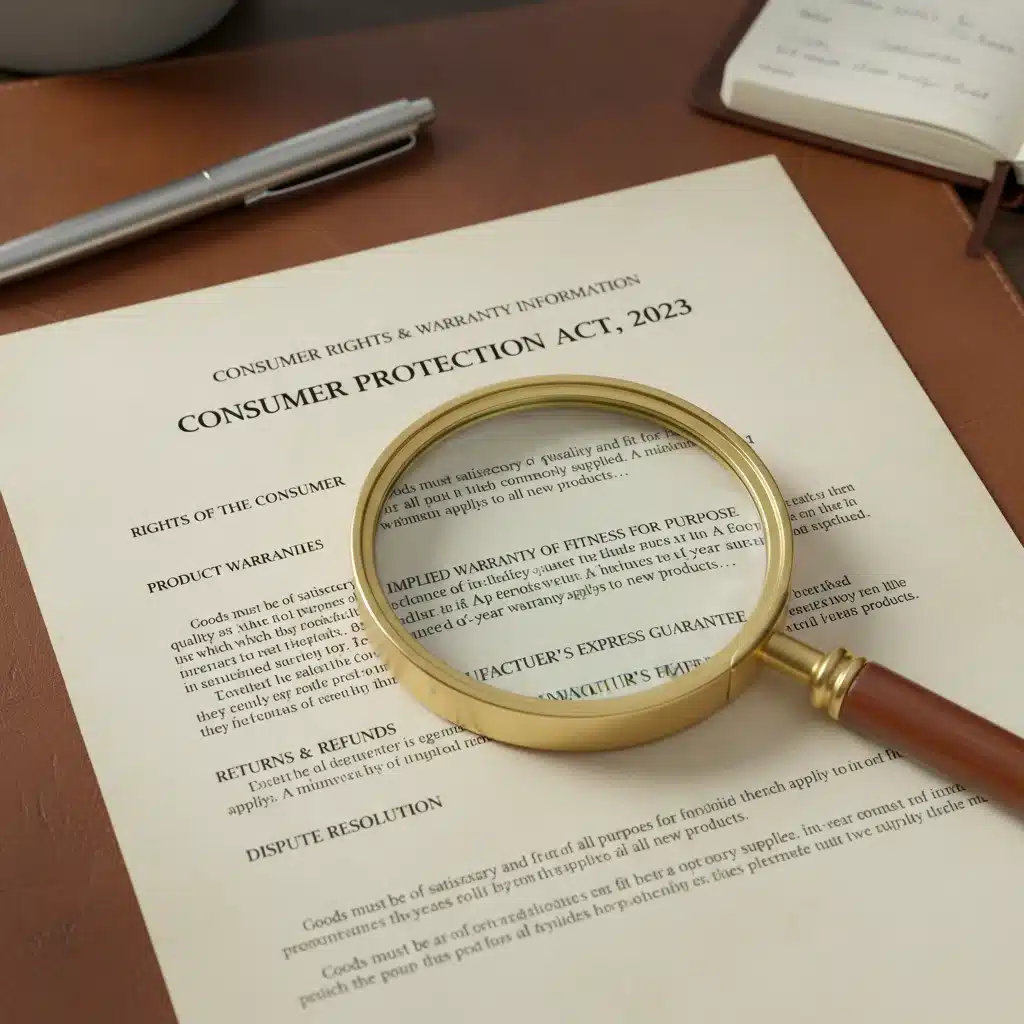
- Implied Warranty of Merchantability: This warranty means that the product will do what it is supposed to do. For example, a toaster should toast bread, and a car should drive safely. It implies that the product is fit for the ordinary purposes for which such goods are used, is of average quality, and is adequately contained and labeled.
- Implied Warranty of Fitness for a Particular Purpose: This applies when you buy a product based on a seller’s recommendation for a specific use. For example, if you tell a salesperson you need a paint that will adhere to metal and they recommend a specific brand, there’s an implied warranty that that paint will indeed adhere to metal.
Implied warranties typically last for a "reasonable" period, which can vary depending on the product, its expected lifespan, and the circumstances of the sale. While express warranties can sometimes be disclaimed (especially limited ones), implied warranties are harder for sellers to disclaim, though some states allow it under specific conditions.
Federal Agencies Protecting Your Rights
Several federal agencies play a critical role in consumer protection, especially concerning defective products. Understanding which agency governs specific product types can help you direct your complaints and seek assistance effectively.
The Federal Trade Commission (FTC)
The FTC is the nation’s primary consumer protection agency. It works to prevent fraudulent, deceptive, and unfair business practices. While the FTC doesn’t directly handle individual consumer complaints in the sense of resolving them for you, it collects complaints to identify patterns of misconduct and take enforcement actions against companies that violate consumer protection laws, including the Magnuson-Moss Warranty Act.
If you have an issue with a defective product and believe a company is not honoring its warranty or is engaging in deceptive practices, reporting it to the FTC is an important step. This helps the agency build cases against non-compliant businesses and protect other consumers.
Anúncios
Consumer Product Safety Commission (CPSC)
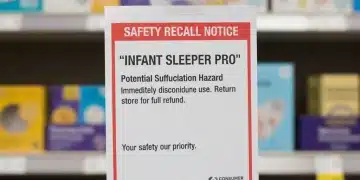
The CPSC is responsible for protecting the public from unreasonable risks of injury or death associated with consumer products. This agency focuses on product safety rather than general defects. If a product is defective in a way that makes it dangerous (e.g., an appliance that could cause a fire, a toy with small parts that present a choking hazard), the CPSC can issue recalls, set safety standards, and require manufacturers to fix, replace, or refund dangerous products.
If your defective product poses a safety risk, reporting it to the CPSC is crucial not only for your own resolution but also for preventing harm to others.
Other Relevant Agencies
- National Highway Traffic Safety Administration (NHTSA): Oversees vehicle safety, including recalls for defective cars, trucks, and automotive equipment.
- Food and Drug Administration (FDA): Regulates the safety and effectiveness of food, drugs, medical devices, and cosmetics.
- Environmental Protection Agency (EPA): Sets standards for certain products that could impact the environment or human health, such as pesticides.
Knowing which agency has jurisdiction over your specific defective product can streamline your complaint process and increase the likelihood of a favorable outcome.
Steps to Take When Returning Defective Products
When you discover a product is defective, follow these steps to maximize your chances of a successful return, repair, or replacement:
1. Document Everything
Thorough documentation is your best friend. Keep all receipts, invoices, warranty cards, product manuals, and any other purchase records. Take photos or videos of the defect as soon as you notice it. Note down dates, times, and names of anyone you speak to at the store or company. Maintain a detailed log of all communications.
2. Understand the Return Policy and Warranty
Before contacting the seller, review their return policy and any product warranties. Many retailers have specific timeframes for returns, especially for defective items. Understand whether the product is covered by an express warranty from the manufacturer or if you’ll primarily rely on implied warranties. This knowledge will help you frame your request effectively.
3. Contact the Seller First
In most cases, your first point of contact should be the retailer where you purchased the product. Explain the defect clearly and calmly, providing all your documentation. Be specific about what you want: a refund, a replacement, or a repair. Many retailers are willing to resolve issues directly to maintain customer satisfaction.
4. If the Seller Fails, Contact the Manufacturer
If the retailer is unhelpful or refers you to the manufacturer, contact the manufacturer directly. Use their customer service lines, email, or online complaint forms. Again, provide all documentation and clearly state your desired resolution. Refer to the product’s warranty information, if applicable.
5. Send a Formal Written Complaint (If Necessary)
If your initial attempts at resolution are unsuccessful, send a formal written complaint (via certified mail, return receipt requested) to both the seller and the manufacturer. Clearly state the problem, what you’ve done to try and resolve it, and what resolution you expect. Include copies of all relevant documents (never send originals). This creates a legal record of your efforts.
6. Seek Assistance from Consumer Protection Agencies
If you’re still not getting a satisfactory response, it’s time to involve federal or state consumer protection agencies. As mentioned, the FTC collects complaints, and the CPSC handles safety-related defects. Your state’s Attorney General’s office or a local consumer protection agency can also provide assistance or mediation services.
7. Consider Dispute Resolution or Legal Action
For more stubborn cases, you might consider alternative dispute resolution (ADR) methods like mediation or arbitration, especially if these are mentioned in your product’s warranty or purchase agreement. As a last resort, you might consider small claims court, particularly for products of significant value. Legal action should be weighed carefully, considering the cost and time involved versus the value of the product.
The Magnuson-Moss Warranty Act: Your Federal Shield
The Magnuson-Moss Warranty Act (15 U.S.C. § 2301 et seq.) is the primary federal law governing written warranties on consumer products. Enacted in 1975, its main purpose is to make warranties easier for consumers to understand and enforce. It does not require manufacturers to provide warranties, but if they choose to do so for products costing more than $10, they must comply with its provisions.
Key Provisions of the Act:
- Clarity and Disclosure: The Act mandates that written warranties must be clear, concise, and easy to understand. They must disclose all terms and conditions in a single, readily understandable document.
- Designation of Warranties: As discussed, warranties must be clearly designated as "full" or "limited." This helps consumers quickly grasp the extent of their coverage.
- No "Tie-in Sales" Clauses: A significant protection under Magnuson-Moss is the prohibition of "tie-in sales" clauses. This means a warrantor cannot require you to buy a specific brand of product or service to keep your warranty valid. For example, a car manufacturer cannot void your warranty just because you had your oil changed at an independent mechanic rather than a dealership, unless they can prove the independent service caused the defect.
- Implied Warranty Protection: The Act prevents warrantors from disclaiming or modifying implied warranties (like merchantability or fitness for a particular purpose) if they offer a written warranty. If a limited written warranty is offered, the duration of implied warranties can be limited to the duration of the written warranty, but they cannot be eliminated entirely.
- Remedies for Breach: The Act provides for private lawsuits by consumers for breaches of written or implied warranties. It also encourages the use of informal dispute resolution mechanisms. If a consumer prevails in court, they may be able to recover legal fees, which makes pursuing claims more feasible.
While the Magnuson-Moss Act doesn’t apply to oral warranties or products sold "as is" without any written warranty, its influence extends to state laws regarding implied warranties. This federal legislation is a powerful tool for consumers facing issues with defective products covered by written warranties.
State Laws and the "Lemon Law" Analogy
While federal law provides a foundational layer of protection, state laws often offer additional or more specific rights, especially when it comes to certain types of products. For instance, many states have "Lemon Laws" specifically for new motor vehicles.
State Lemon Laws typically provide remedies for consumers who purchase new cars that have substantial defects that the manufacturer is unable to repair after a reasonable number of attempts. These laws often entitle consumers to a replacement vehicle or a full refund. While the term "Lemon Law" is most commonly associated with cars, some states have expanded similar protections to other major consumer goods, though these are less common.
It’s important to remember that state consumer protection laws can vary widely. Always research the specific laws in your state, as they might offer stronger protections or different avenues for recourse than federal law alone. Often, state consumer protection agencies or your state’s Attorney General’s office can provide detailed information on these local statutes.

Common Challenges and How to Overcome Them
Even with federal protections in place, consumers can face challenges when trying to return defective products. Anticipating these issues can help you prepare and overcome them.
- "As Is" Sales: Products sold "as is" typically come without any express or implied warranties. If you purchase a product this way, you generally accept it with all its faults. Always be cautious when buying "as is" items, especially from private sellers.
- Proof of Purchase: Losing your receipt can complicate returns. While some retailers might accommodate returns without a receipt, especially if the defect is obvious or the product can be identified as theirs, it significantly weakens your position. Always retain proof of purchase.
- User Error vs. Defect: Sellers may try to claim the defect was caused by user misuse rather than a manufacturing or design flaw. This is where your documentation (photos, videos, detailed descriptions of how the defect occurred) becomes vital.
- Expired Warranty: If your express warranty has expired, you might still be covered by implied warranties, depending on the product and your state’s laws. However, the longer the time since purchase, the harder it is to argue a product was defective at the time of sale.
- Resistance from Seller/Manufacturer: Some companies may initially resist honoring warranties or return policies. Persistence, clear communication, and escalation to higher management or regulatory bodies are key.
Overcoming these challenges often boils down to preparation, clear communication, and knowing when to escalate the issue to the appropriate authority. Don’t be deterred by initial resistance; your rights are worth defending.
Preventative Measures for Future Purchases
While knowing your rights is essential for dealing with defective products, taking preventative measures can reduce the likelihood of encountering such issues in the first place:
- Research Products Thoroughly: Before making a purchase, read reviews from multiple sources. Look for common complaints about defects or poor quality.
- Understand Warranty Terms: Always read and understand the warranty before you buy, especially for expensive items. Know what’s covered, for how long, and what voids the warranty.
- Keep All Documentation: Store receipts, warranty cards, and product manuals in a safe, accessible place. Digital copies are also a good idea.
- Inspect Products Upon Arrival: For items delivered, inspect them immediately for any visible damage or defects. Report issues to the seller as soon as possible.
- Pay with Credit Card: Credit cards often offer additional consumer protections, such as chargeback rights, which can be useful if a seller refuses to resolve a defective product issue.
- Purchase from Reputable Retailers: Buying from established retailers with clear return policies and good customer service can make the resolution process much smoother if a problem arises.
By being a proactive and informed consumer, you can significantly reduce the stress and hassle associated with defective products.
Conclusion: Empowering Yourself as a Consumer
Navigating the world of consumer products can be complex, and encountering a defective item is an unfortunate but common experience. However, thanks to federal laws like the Magnuson-Moss Warranty Act and the oversight of agencies like the FTC and CPSC, consumers in the United States have significant protections. Understanding your rights regarding express and implied warranties, knowing the definitions of product defects, and following a structured approach to returns are crucial for a successful resolution.
Remember, your consumer rights are not merely suggestions; they are legally binding protections designed to ensure fair dealings between buyers and sellers. By documenting everything, communicating clearly, and knowing when to escalate your concerns to the appropriate authorities, you can confidently pursue a repair, replacement, or refund for defective products. Don’t let a faulty purchase leave you feeling helpless. Empower yourself with knowledge, assert your rights, and ensure you get the quality and value you deserve from every purchase.
This guide serves as a starting point. For specific legal advice, always consult with a qualified legal professional or a local consumer advocate. However, with the information provided here, you are well-equipped to handle most situations involving defective product returns under federal law.