3 Essential Steps to Take When Your Personal Data is Compromised Online
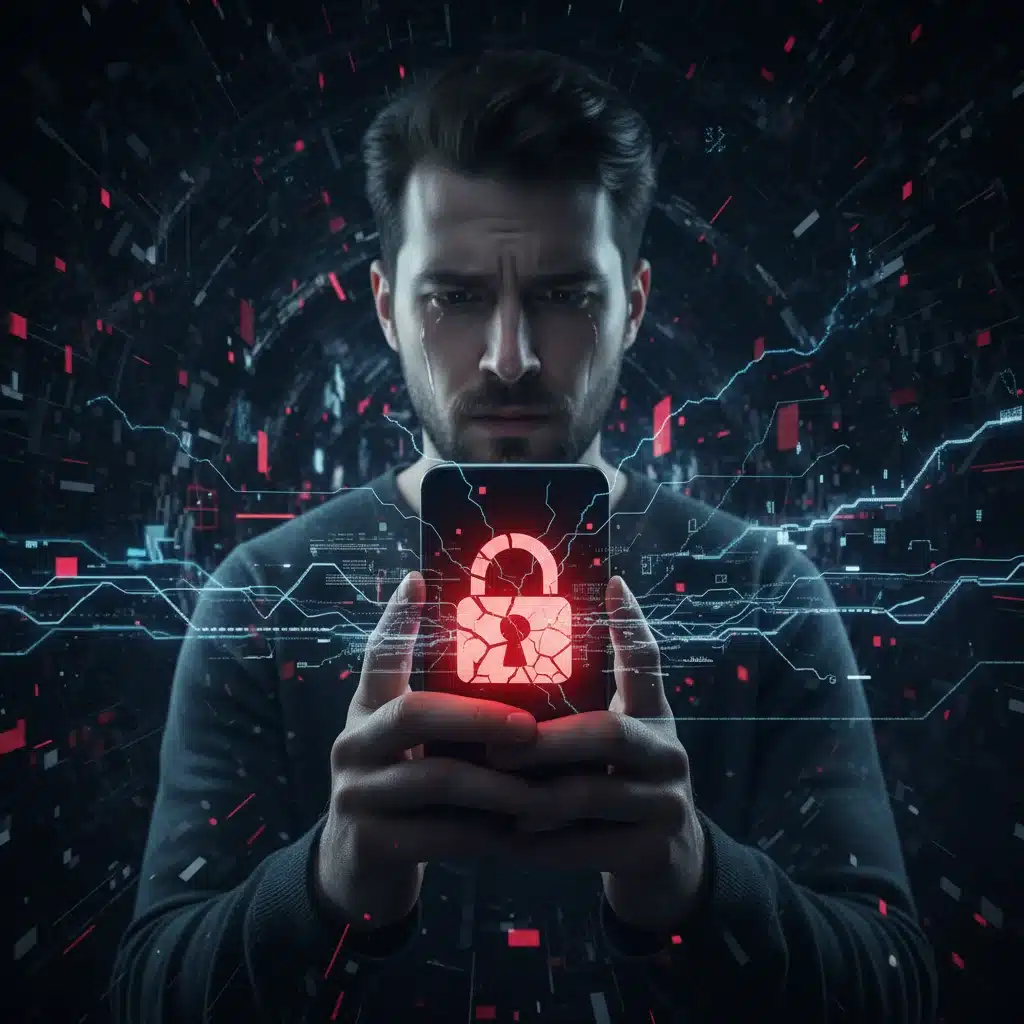
In our increasingly digital world, the phrase "personal data compromise" has become an all too common and deeply unsettling reality. From massive corporate data breaches to individual phishing scams, the threats to our online privacy and security are constant and evolving. The moment you realize your personal information has been exposed online can be terrifying, leaving you feeling vulnerable and unsure of what to do next. However, panic is not a strategy. Instead, swift, decisive action is your best defense.
This comprehensive guide will walk you through the three essential steps you must take immediately when you suspect or confirm a personal data compromise. We’ll delve into the nuances of each step, providing actionable advice and practical tips to help you mitigate the damage, secure your digital life, and protect yourself from potential identity theft and financial fraud. Understanding these steps and being prepared to execute them can significantly reduce the long-term impact of a data breach.
The digital landscape is fraught with perils, and unfortunately, no one is immune. Whether it’s your email address, passwords, social security number, credit card details, or even sensitive health information, any piece of your personal data can be exploited by malicious actors. The key to navigating this challenge is not just prevention, but also a robust response plan. Let’s explore how to effectively respond to a personal data compromise.
Step 1: Act Immediately to Contain the Damage and Secure Your Accounts
The first few hours and days following a personal data compromise are critical. Your immediate actions can significantly limit the damage and prevent further exploitation of your information. Think of it as a digital emergency response – quick thinking and rapid execution are paramount.
Anúncios
Change All Compromised Passwords (and Related Ones)
This is perhaps the most crucial first action. If your password for a particular service was compromised, assume that hackers will try to use that same password on other platforms. This practice, known as "credential stuffing," is incredibly common. Therefore, you must:
- Identify all affected accounts: If the breach notification specifies which service was compromised, start there.
- Change the password for the compromised account immediately: Create a strong, unique password that you haven’t used before. Aim for a combination of uppercase and lowercase letters, numbers, and symbols.
- Change passwords for any accounts using the same or similar password: This is non-negotiable. Even slight variations won’t deter sophisticated attackers.
- Consider changing passwords for other important accounts: Even if they weren’t directly compromised, accounts like your primary email, banking, and social media should be updated as a precautionary measure.
- Utilize a password manager: Tools like LastPass, 1Password, or Bitwarden can help you generate and store strong, unique passwords for all your accounts, making this process much easier and more secure in the long run.
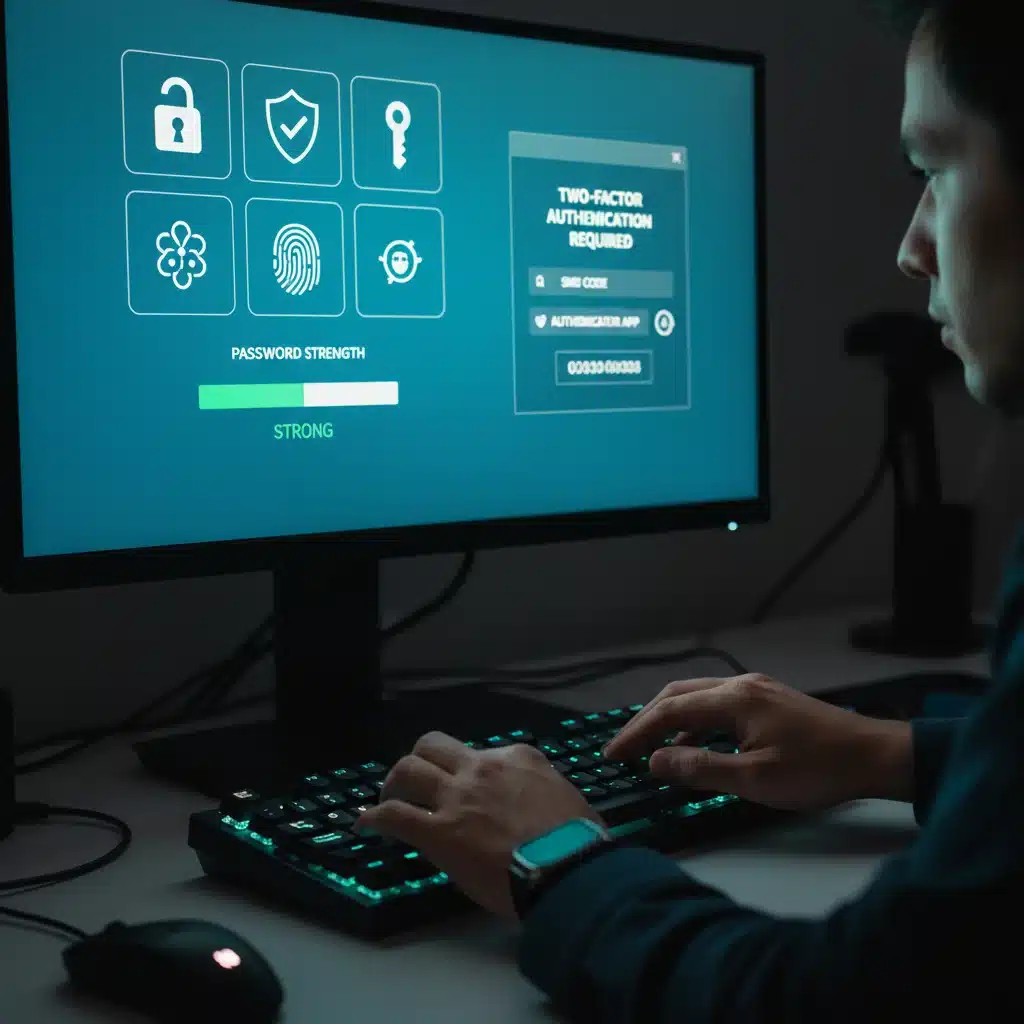
Enable Two-Factor Authentication (2FA) Everywhere Possible
Two-Factor Authentication (2FA), also known as multi-factor authentication (MFA), adds an extra layer of security beyond just a password. Even if a hacker has your password, they won’t be able to access your account without the second factor. This is a game-changer in protecting against a personal data compromise.
- Prioritize critical accounts: Enable 2FA on your email accounts (especially your primary one), banking, social media, cloud storage, and any other service containing sensitive information.
- Choose strong 2FA methods: While SMS codes are better than nothing, authenticator apps (like Google Authenticator, Authy) or physical security keys (like YubiKey) offer superior protection.
- Be wary of SMS 2FA for highly sensitive accounts: SMS can be vulnerable to SIM-swapping attacks, where criminals trick your carrier into transferring your phone number to their device.
Review Account Activity and Freeze/Lock Accounts
After securing your passwords and enabling 2FA, it’s crucial to check for any unauthorized activity. This is particularly important if financial information was part of the personal data compromise.
- Check bank accounts and credit cards: Look for any suspicious transactions, no matter how small. Report any unauthorized charges to your bank or credit card company immediately. They can often reverse fraudulent charges and issue new cards.
- Review other online accounts: Check order histories, sent emails, and recent activity logs on social media, e-commerce sites, and other platforms for anything out of the ordinary.
- Consider freezing your credit: If your Social Security Number or other highly sensitive financial identifiers were compromised, placing a credit freeze with all three major credit bureaus (Equifax, Experian, TransUnion) is highly recommended. This prevents new credit from being opened in your name without your explicit permission. You’ll need to contact each bureau individually.
- Set up fraud alerts: A fraud alert is another option that requires businesses to verify your identity before extending credit. This is less restrictive than a credit freeze but still provides a layer of protection.
Step 2: Monitor for Identity Theft and Financial Fraud
A personal data compromise often leads to a heightened risk of identity theft and financial fraud. These can manifest in various forms, from unauthorized purchases to new accounts opened in your name. Continuous monitoring is essential to catch these issues early and minimize their impact.
Regularly Review Your Credit Reports
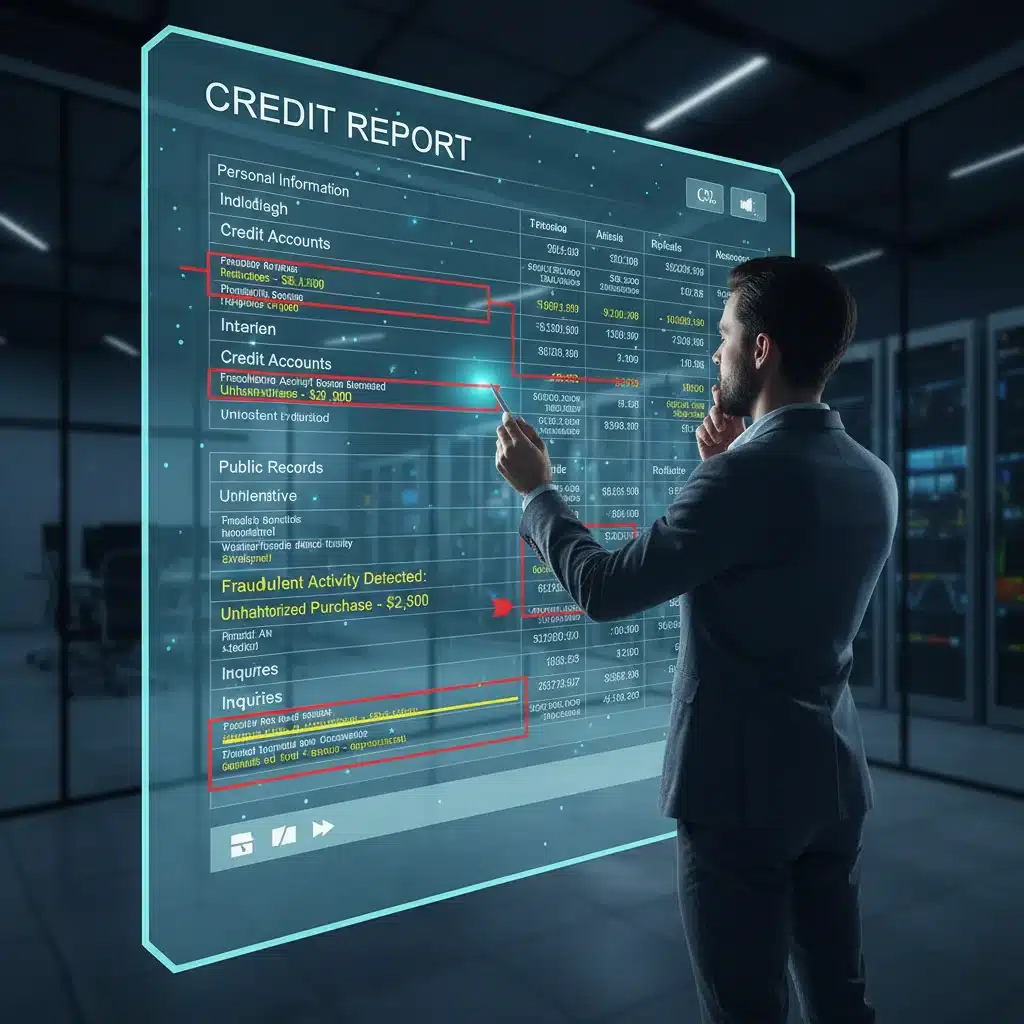
Your credit report is a detailed record of your financial history and can reveal if someone has opened new accounts or made inquiries in your name. The Fair Credit Reporting Act (FCRA) entitles you to a free copy of your credit report from each of the three major credit bureaus annually.
- Access your free annual credit reports: Visit AnnualCreditReport.com to get your reports from Equifax, Experian, and TransUnion.
- Scrutinize for unfamiliar accounts or inquiries: Look for any credit cards, loans, or other financial products you don’t recognize. Also, check for "hard inquiries" that you didn’t authorize, as these indicate someone applied for credit in your name.
- Check personal information accuracy: Ensure your name, address, and employment history are correct. Inaccurate information could be a sign of identity theft.
- Consider staggering your requests: Instead of getting all three reports at once, you could request one every four months. This allows for continuous monitoring throughout the year.
Enroll in Identity Theft Protection Services (Optional, but Recommended)
While not a substitute for active monitoring, identity theft protection services can provide an additional layer of vigilance, especially after a personal data compromise. These services typically offer:
- Credit monitoring: Alerts you to significant changes in your credit report, such as new accounts, missed payments, or unusual inquiries.
- Dark web monitoring: Scans the dark web for your compromised personal information (e.g., social security number, email addresses, medical IDs).
- Identity restoration services: If you do become a victim of identity theft, these services often provide assistance in recovering your identity and resolving fraudulent activity.
- Identity theft insurance: Many services include insurance to cover expenses related to identity theft recovery, such as legal fees or lost wages.
Some companies that suffer a data breach may offer free identity theft protection services for a period. Take advantage of these if available.
Anúncios
Monitor Bank and Credit Card Statements Closely
Even with credit freezes and fraud alerts, it’s crucial to keep a close eye on your financial statements. Small, recurring charges are often used by fraudsters to test compromised cards before making larger purchases.
- Review statements frequently: Don’t wait for your monthly statement. Log into your online banking and credit card accounts regularly to check for recent transactions.
- Set up transaction alerts: Many banks and credit card companies allow you to set up alerts for transactions above a certain amount, international purchases, or online transactions.
- Be suspicious of small, unfamiliar charges: Even a few dollars can indicate that your card details have been compromised.
- Report suspicious activity immediately: Contact your financial institution as soon as you spot anything unusual.
Step 3: Report the Compromise and Stay Vigilant Long-Term
Reporting a personal data compromise is not just about helping yourself; it’s also about contributing to a broader effort to combat cybercrime. Furthermore, staying vigilant long after the initial incident is crucial, as the repercussions of a data breach can surface months or even years later.
Report the Incident to Relevant Authorities
Depending on the nature of the compromise, you may need to report it to several different entities:
- The company that suffered the breach: If you received a data breach notification, follow their instructions for reporting and utilize any resources they offer.
- The Federal Trade Commission (FTC): In the United States, the FTC is a primary resource for victims of identity theft. You can report identity theft at IdentityTheft.gov. This site will help you create a personalized recovery plan and generate an official FTC Identity Theft Report, which can be essential for disputing fraudulent charges and dealing with creditors.
- Your local police department: If you’ve been a victim of significant identity theft or financial fraud, filing a police report is often necessary. This can provide additional documentation and validation, especially when dealing with financial institutions.
- Your state’s Attorney General: Some states have specific offices or departments that handle consumer protection and identity theft. Check your state’s official website for more information.
- Specific agencies for certain data: If medical information was compromised, you might need to contact the Department of Health and Human Services. If your Social Security Number was involved, consider contacting the Social Security Administration.
Educate Yourself and Practice Good Cyber Hygiene
A personal data compromise serves as a stark reminder of the importance of robust cybersecurity practices. Use this experience as a catalyst to strengthen your digital defenses for the long haul.
- Stay informed about common scams: Phishing emails, smishing (SMS phishing), and vishing (voice phishing) are constantly evolving. Learn to recognize the red flags.
- Be cautious about what you share online: Limit the amount of personal information you post on social media and other public platforms. Review privacy settings on all your accounts.
- Use strong, unique passwords: Reiterate the importance of password managers and 2FA.
- Keep software updated: Ensure your operating system, web browsers, antivirus software, and all applications are always up-to-date. Software updates often include critical security patches.
- Be careful with Wi-Fi: Avoid conducting sensitive transactions on public, unsecured Wi-Fi networks. Use a Virtual Private Network (VPN) if you must use public Wi-Fi.
- Regularly back up your data: While not directly related to identity theft, backing up your data protects you from ransomware and other forms of data loss that can compound the stress of a data compromise.
Maintain Long-Term Vigilance
The effects of a personal data compromise are not always immediate. Information exposed today could be used months or even years down the line. Therefore, long-term vigilance is absolutely essential.
- Continue monitoring your credit reports: Even after the initial threat seems to subside, make it a habit to regularly check your credit reports.
- Review financial statements: Continue to scrutinize bank and credit card statements for any unusual activity.
- Be skeptical of unsolicited communications: Any unexpected calls, emails, or texts asking for personal information should be treated with extreme caution. Verify the sender through official channels before responding.
- Educate family members: Share what you’ve learned with your family, especially children and elderly relatives, who may be more susceptible to scams.
Understanding the Different Types of Personal Data Compromise
A personal data compromise isn’t a monolithic event; it can take many forms, each with its own implications and necessary responses. Understanding the nuances can help you tailor your protective measures.
Identity Theft
This is perhaps the most feared outcome of a data breach. Identity theft occurs when someone uses your personal information – such as your name, Social Security number, or credit card number – without your permission to commit fraud or other crimes. This can include opening new credit accounts, filing fraudulent tax returns, or even committing crimes in your name. The recovery process from identity theft can be lengthy and complex, often requiring significant time and effort to clear your name and restore your financial standing.
Financial Fraud
Direct financial fraud involves unauthorized transactions on your existing bank accounts or credit cards. This often manifests as small, test charges followed by larger purchases, or direct withdrawals. While banks and credit card companies typically offer fraud protection, the inconvenience and potential temporary loss of funds can be substantial. It’s also a clear indicator that your financial details are in the wrong hands, necessitating immediate action to secure your accounts.
Credential Stuffing
As mentioned earlier, credential stuffing is a common tactic where attackers take username/password combinations from one breach and try them on numerous other websites. This highlights the critical importance of using unique passwords for every online service. If a personal data compromise exposes your login credentials for one site, it could potentially unlock a cascade of other accounts if you’ve reused passwords.
Phishing and Social Engineering Attacks
Sometimes, the compromise isn’t a direct theft of data but rather an exposure that makes you a target for future attacks. If your email address or phone number is part of a breach, you might see an increase in phishing emails, smishing texts, or vishing calls. These attempts aim to trick you into revealing more sensitive information or installing malware. Being aware of this increased risk and learning to identify these scams is a crucial part of long-term vigilance.
Medical Identity Theft
When your medical information is compromised, it can lead to medical identity theft. This involves someone using your name or health insurance information to get medical care, prescription drugs, or to make fraudulent claims. This type of compromise can have serious consequences, including incorrect entries in your medical records, which could affect future diagnoses and treatments, and significant financial burdens.
The Role of Data Breach Notifications
Many jurisdictions have laws requiring companies to notify individuals when their personal data compromise occurs. These notifications are critical because they provide you with the initial information you need to act.
- What to look for: Breach notifications should clearly state what type of data was compromised, when the breach occurred, and what steps the company is taking. They should also provide guidance on what you, as the affected individual, should do.
- Don’t fall for fake notifications: Be aware that scammers sometimes send fake breach notifications to trick recipients into revealing personal information. Always verify the authenticity of a breach notification directly with the company involved, using contact information from their official website, not from the email itself.
- Act promptly: As soon as you receive a legitimate notification, begin implementing the steps outlined in this guide. Time is of the essence.
Conclusion: Empowering Yourself Against Personal Data Compromise
Experiencing a personal data compromise can be a deeply unsettling event, but it doesn’t have to be devastating. By understanding and implementing these three essential steps – immediate containment, vigilant monitoring, and consistent reporting – you empower yourself to effectively respond to and recover from such incidents. Remember, your digital security is an ongoing process, not a one-time fix. By adopting strong cyber hygiene practices and remaining proactive, you can significantly bolster your defenses against future threats and navigate the complexities of the digital world with greater confidence.
The digital landscape will continue to evolve, and with it, the methods used by cybercriminals. However, a well-informed and prepared individual is their toughest adversary. Take control of your digital destiny, protect your personal information, and ensure that a personal data compromise is a bump in the road, not a roadblock.