Product Recall Rights: Get Refunds & Replacements
Anúncios
In an ideal world, every product we purchase would be perfectly safe and reliable. Unfortunately, we don’t live in an ideal world. From time to time, products are found to have defects or pose safety risks, leading to a product recall. When this happens, it can be confusing and frustrating for consumers. You might wonder what your product recall rights are, how to get a refund or replacement, and what steps you need to take to protect yourself and your family. This comprehensive guide will demystify the product recall process, empower you with knowledge about your consumer rights, and provide actionable steps to ensure you receive the compensation or remedy you deserve.
Navigating Product Recalls: Your Rights and How to Get a Refund or Replacement
Product recalls are a critical aspect of consumer protection, designed to remove unsafe or defective products from the market. While the reasons for recalls can vary widely, from minor manufacturing defects to serious health and safety hazards, the underlying principle remains the same: consumers deserve safe products and clear recourse when those products fail to meet safety standards. Understanding your product recall rights is not just about getting your money back; it’s about ensuring your safety and holding manufacturers accountable.
This article will delve into the intricacies of product recalls, covering everything from identifying a recalled product to successfully navigating the claims process. We’ll explore the various types of remedies available, including refunds, replacements, and repairs, and provide practical advice on how to assert your rights effectively. By the end of this guide, you’ll be well-equipped to handle any product recall situation with confidence.
Anúncios
What Exactly is a Product Recall?
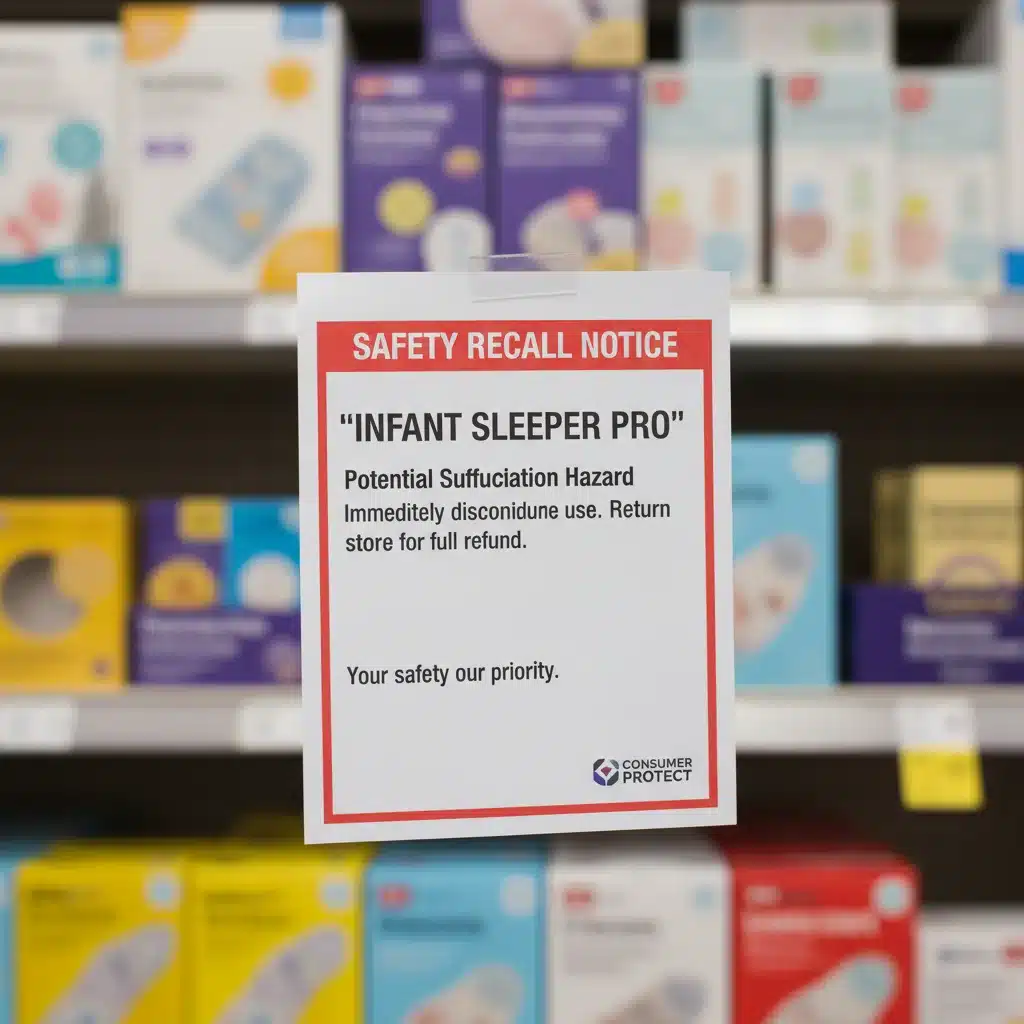
A product recall is a request by a manufacturer or regulatory agency to return a product after the discovery of safety issues or defects that might endanger the consumer or put the maker at risk of legal action. Recalls are initiated to prevent harm and are a crucial mechanism for consumer protection. They can be voluntary, initiated by the manufacturer, or mandatory, ordered by a government agency.
Types of Recalls and Their Severity
- Voluntary Recalls: These are initiated by the manufacturer who discovers a defect or safety concern. Often, companies act proactively to maintain their reputation and avoid more severe penalties.
- Mandatory Recalls: These are ordered by government agencies (like the CPSC in the U.S. or similar bodies internationally) when a product is deemed unsafe and the manufacturer has not taken adequate steps.
The severity of a recall is often classified based on the potential harm the product could cause:
- Class I: Dangerous or defective products that predictably could cause serious health problems or death.
- Class II: Products that might cause a temporary health problem or pose a slight threat of a serious nature.
- Class III: Products that are unlikely to cause any adverse health reaction but violate FDA labeling or manufacturing laws.
Knowing these classifications can help you understand the urgency and potential impact of a specific recall on your safety and your product recall rights.
Your Consumer Rights in a Product Recall
When a product you own is recalled, you, as a consumer, have specific rights designed to protect you from financial loss and potential harm. These rights are generally enshrined in consumer protection laws and vary slightly by region, but the core principles remain consistent globally. The primary goal is to ensure you are not left with a dangerous or unusable product.
The Right to Information
One of your fundamental product recall rights is the right to be informed. Manufacturers and regulatory bodies are obligated to provide clear, timely, and accessible information about a recall. This includes:
- Clear Description of the Product: Including model numbers, serial numbers, and any distinguishing features to help you identify if your product is affected.
- Reason for the Recall: A detailed explanation of the defect or hazard.
- Potential Risks: Information about the specific dangers the product poses.
- Instructions for Action: Clear guidance on what to do with the product (e.g., stop using it immediately, return it, dispose of it).
- Contact Information: How to reach the manufacturer or relevant agency for more information or to initiate a claim.
This information is typically disseminated through official recall notices, company websites, news outlets, and consumer protection agency websites. It’s crucial to actively seek out and review this information if you suspect a product you own might be under recall.
The Right to a Remedy: Refund, Replacement, or Repair
Perhaps the most significant of your product recall rights is the right to a remedy. Depending on the nature of the recall and the product, you are generally entitled to one of three primary forms of compensation:
- Refund: You have the right to receive the full purchase price of the recalled product. This is often the preferred option for products that are no longer manufactured or for which a safe replacement is not readily available.
- Replacement: The manufacturer may offer a new, safe, and equivalent product to replace the recalled item. This is common for products where the defect is specific to a certain batch or model, and a corrected version exists.
- Repair: In some cases, especially for more complex or expensive items, the manufacturer may offer to repair the product free of charge to address the defect. This option is usually viable if the repair can effectively eliminate the safety hazard without compromising the product’s integrity.
The choice of remedy often lies with the manufacturer, but consumer protection laws usually mandate that the offered solution must be reasonable and effectively address the recall’s cause. In certain situations, you might have the right to choose between these options, so it’s always worth inquiring.
The Right to Safety
Beyond financial compensation, your inherent right to safety is paramount. Manufacturers have a legal and ethical obligation to ensure their products are safe for their intended use. Recalls are a mechanism to uphold this right by removing hazardous products from circulation. If a product recall is announced, it’s imperative to stop using the product immediately, even if you haven’t experienced any issues. Your safety and the safety of those around you should always be the top priority.
Anúncios
How to Identify a Recalled Product
Staying informed is key to exercising your product recall rights. Many consumers only learn about recalls through word-of-mouth or news reports, which can sometimes be too late. Proactive measures can help you identify recalled products promptly.
Sources for Recall Information
- Government Websites: Agencies like the Consumer Product Safety Commission (CPSC) in the U.S., Health Canada, or the European Commission’s Safety Gate (RAPEX) maintain comprehensive databases of recalled products. These are official and reliable sources.
- Manufacturer Websites: Most reputable manufacturers have a dedicated section on their websites for product recalls and safety notices.
- Retailer Websites and In-Store Notices: Retailers often post recall notices on their websites and at their physical locations, especially for products they have sold.
- News Media and Social Media: Major recalls often receive widespread media coverage. Following reputable news sources and official consumer protection social media accounts can keep you updated.
- Direct Notifications: If you registered your product or purchased it directly from the manufacturer with your contact information, you might receive direct email or postal mail notifications.
Checking Your Products
Once you’ve identified a potential recall, you’ll need to check if your specific product is affected. This usually involves:
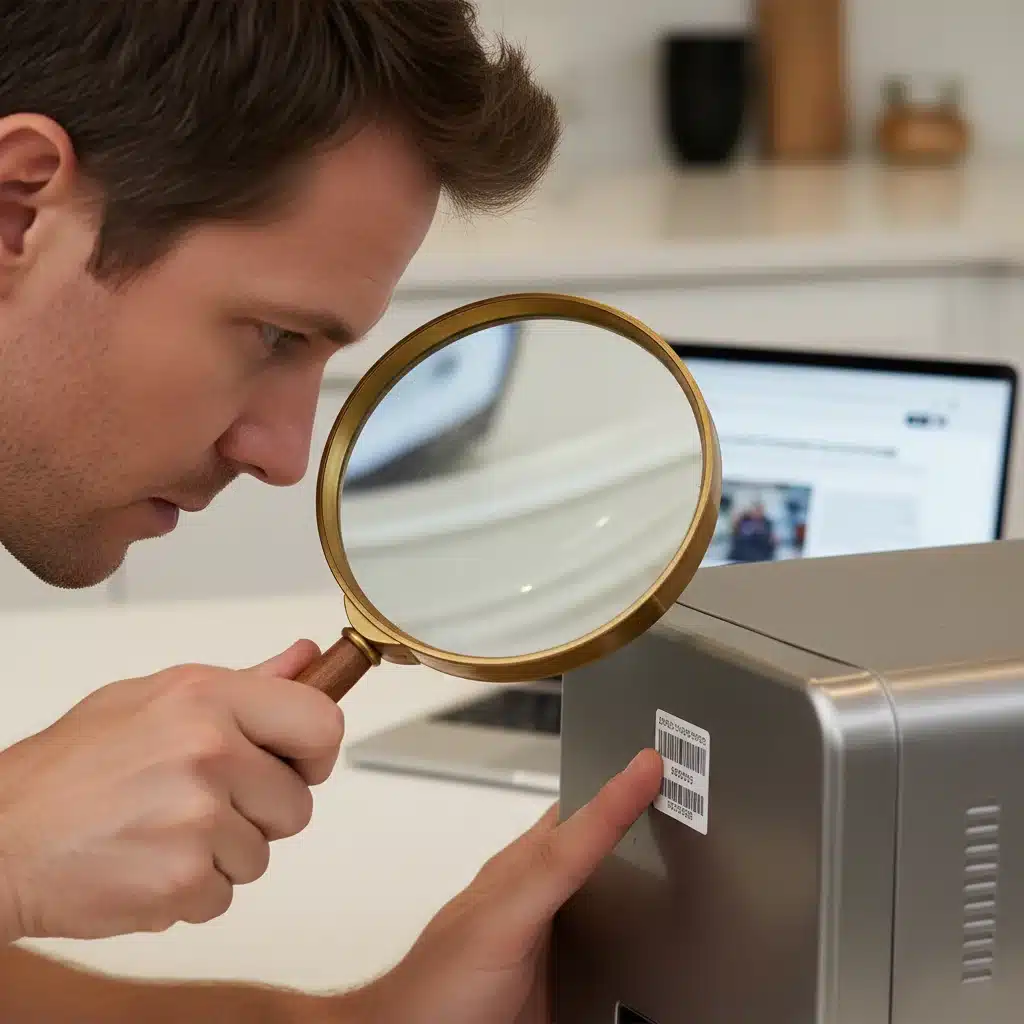
- Locating Model and Serial Numbers: These are crucial identifiers. They are typically found on the product itself, its packaging, or in the user manual.
- Comparing with Recall Information: Carefully match the model, serial number, date of manufacture, and any other identifying features with the details provided in the recall notice. Don’t assume your product isn’t affected just because it looks similar to one pictured in a recall notice; specific batches or production runs are often the culprits.
Steps to Take When Your Product is Recalled
Once you’ve confirmed that your product is part of a recall, acting swiftly and systematically is essential to protect your product recall rights and ensure your safety. Here’s a step-by-step guide:
Step 1: Stop Using the Product Immediately
This is the most critical first step. Regardless of how minor the recall seems, the manufacturer has deemed the product unsafe. Continuing to use it could put you or others at risk. Store it in a safe place where it cannot be accidentally used, especially by children or vulnerable individuals.
Step 2: Review the Recall Notice Carefully
Read the entire recall notice. Pay close attention to:
- The specific reason for the recall and the hazard involved.
- The recommended action (refund, replacement, or repair).
- Instructions on how to return the product or initiate the claim.
- Contact information for the manufacturer or recall administrator.
- Any deadlines for submitting claims.
Step 3: Gather Necessary Documentation
To facilitate your claim, you’ll likely need:
- Proof of Purchase: Receipts, order confirmations, credit card statements. While not always strictly required, especially for significant safety recalls, it can expedite the process.
- Product Information: Model numbers, serial numbers, and any other identifiers. Take photos of these if possible.
- Photos of the Product: Especially if there’s visible damage or defect related to the recall.
Step 4: Contact the Manufacturer or Retailer
The recall notice will provide specific instructions on who to contact. This is usually the manufacturer directly, but sometimes it might be the retailer from whom you purchased the item. Be prepared to provide the gathered documentation and clearly state your preferred remedy if options are available. Keep a record of all communications, including dates, names of representatives, and summaries of conversations.
Step 5: Follow Instructions for Return or Disposal
Manufacturers often provide prepaid shipping labels for returns or specific instructions for disposal to prevent the product from being resold or causing further harm. Do not discard the product until you have received clear instructions, as you may need to return it to receive your remedy. Following these instructions diligently is crucial to successfully exercising your product recall rights.
Getting Your Refund, Replacement, or Repair
Once you’ve initiated the claims process, the next step is to ensure you receive your chosen remedy. This phase requires patience and sometimes persistence.
The Refund Process
If you’re seeking a refund, the manufacturer will typically process it after they receive the recalled product or sufficient proof of its destruction/disposal. Refunds can be issued via check, direct deposit, or store credit, depending on the company’s policy and the nature of the recall. Be sure to clarify the expected timeline for receiving your refund.
The Replacement Process
For replacements, the manufacturer will ship a new, corrected, and safe version of the product to you. Confirm the shipping address and estimated delivery time. It’s a good idea to inspect the replacement product upon arrival to ensure it’s free of defects and matches the description of the safe version.
The Repair Process
If a repair is offered, you might be instructed to send the product to a service center or take it to an authorized repair shop. Ensure you understand who covers the shipping costs (it should be the manufacturer) and the estimated time for repair. Always get a receipt for your product when dropping it off for repair.
What if You Don’t Have a Receipt?
While a receipt can streamline the process, its absence doesn’t always negate your product recall rights. For significant safety hazards, manufacturers often honor claims even without proof of purchase, especially if the product is clearly identifiable as part of the recalled batch. Be prepared to provide other forms of evidence, such as photos of the product’s identifiers, or details about where and when you purchased it. In some cases, a store credit might be offered instead of a full refund.
Common Challenges and How to Overcome Them
Navigating a product recall isn’t always straightforward. You might encounter difficulties, but knowing how to address them can help you assert your product recall rights effectively.
Manufacturer Unresponsiveness or Delay
If you’re facing long delays or a lack of response from the manufacturer, don’t give up. Here’s what you can do:
- Document Everything: Keep a detailed log of all your attempts to contact the company, including dates, times, names of representatives, and what was discussed.
- Escalate Your Complaint: Ask to speak to a supervisor or a higher-level customer service representative.
- Utilize Social Media: Publicly posting your issue on the company’s social media channels can sometimes prompt a quicker response, as companies are sensitive to public perception.
- Contact Consumer Protection Agencies: File a complaint with your national or local consumer protection agency (e.g., CPSC, Better Business Bureau). These agencies can often intervene on your behalf.
Difficulty Identifying Your Product
Sometimes, model or serial numbers are faded, missing, or hard to find. If you’re struggling to identify if your product is part of a recall:
- Check Manuals and Packaging: These often have clearer identification details.
- Consult Online Forums: Other consumers might have tips on where to find specific product identifiers.
- Contact Manufacturer Support: Provide them with as much detail as you can (purchase date, where bought, description of the product) and ask for assistance in identification.
Disputes Over Remedy
If you disagree with the remedy offered (e.g., you want a refund but are only offered a repair), you can:
- Cite Your Rights: Refer to consumer protection laws in your region that may grant you specific rights regarding choices of remedy.
- Negotiate: Explain why the offered remedy is unsuitable for your situation.
- Seek External Help: If negotiations fail, consider filing a complaint with a consumer protection agency or seeking legal advice, especially for high-value items or significant safety concerns.

Preventative Measures and Staying Informed
While you can’t prevent recalls from happening, you can take steps to minimize your exposure to recalled products and ensure you are quickly informed if one affects you. Proactive steps are crucial to protecting your product recall rights.
Register Your Products
Many manufacturers include product registration cards with their items or offer online registration. While often used for marketing, registering your product is also one of the most reliable ways to receive direct notifications in the event of a recall. This ensures you don’t miss critical safety information.
Sign Up for Recall Alerts
Most government consumer protection agencies offer email or text alert services for recalls. Subscribing to these services will provide you with timely notifications about new recalls across various product categories, from children’s toys to automotive parts. This is an excellent way to stay informed without actively searching for information.
Regularly Check Recall Databases
Make it a habit to periodically check the websites of relevant consumer product safety commissions. Even if you don’t register every product, a quick scan of recent recalls can alert you to potential issues with items you own or are considering purchasing. This is particularly important for products that you’ve owned for a while, as recalls can sometimes be issued years after a product’s initial release.
Keep Receipts and Product Information
While not always mandatory for recall claims, keeping your receipts, product manuals, and original packaging (at least until you’re sure the product is safe and reliable) can significantly simplify the claims process. These documents contain vital information like purchase dates, model numbers, and serial numbers that are often required when exercising your product recall rights.
Be Wary of Second-Hand Purchases
When buying products second-hand, especially from online marketplaces or garage sales, it’s much harder to track recall information. Always do your due diligence by checking recall databases for the specific product before purchasing. Be particularly cautious with items that pose higher safety risks, such as children’s toys, electronics, or automotive parts.
The Broader Impact of Product Recalls
Product recalls are more than just an inconvenience for consumers; they have significant implications for manufacturers, retailers, and the wider economy. Understanding this broader context can help you appreciate the importance of your product recall rights and the regulatory frameworks in place.
Manufacturer Responsibility and Accountability
Manufacturers bear the primary responsibility for the safety of their products. Recalls serve as a powerful mechanism to hold them accountable. The costs associated with recalls—including notification, collection, repair/replacement/refund, and reputational damage—can be substantial, incentivizing companies to prioritize product safety from the design phase onwards. Failure to comply with recall orders or to adequately address safety concerns can lead to severe penalties, fines, and legal action.
The Role of Regulatory Agencies
Government agencies play a crucial role in overseeing product safety and enforcing recall procedures. They investigate complaints, conduct tests, and have the authority to mandate recalls when necessary. These agencies act as a vital safeguard for consumers, ensuring that manufacturers adhere to safety standards and that effective remedies are provided when products fail. Their existence is fundamental to protecting your product recall rights.
Impact on Consumer Confidence
Recalls, while necessary for safety, can erode consumer confidence in specific brands or even entire product categories. A well-managed recall process, with clear communication and fair remedies, can help mitigate this damage. Conversely, a poorly handled recall can lead to long-term negative impacts on a company’s reputation and market share. This highlights why manufacturers often go to great lengths to ensure consumers can easily exercise their product recall rights.
Legal Recourse Beyond Refunds and Replacements
While most product recalls conclude with a refund, replacement, or repair, there are situations where consumers might consider further legal action. This usually applies when a recalled product has caused significant injury, illness, or property damage.
Personal Injury Claims
If you or a loved one has suffered an injury due to a defective and recalled product, you may have grounds for a personal injury claim against the manufacturer. These claims fall under product liability law, which holds manufacturers, distributors, and retailers responsible for placing defective products into the hands of consumers. To pursue such a claim, you would typically need to prove:
- The product was defective.
- The defect caused your injury.
- You used the product as intended or in a foreseeable manner.
It’s crucial to consult with a personal injury attorney specializing in product liability if you believe you have a claim. They can assess your case, explain your legal options, and guide you through the complex legal process. This is a separate avenue from simply exercising your standard product recall rights to a refund or replacement.
Class Action Lawsuits
In cases where a recalled product has affected a large number of consumers in a similar way, a class-action lawsuit might be initiated. This allows a group of individuals with similar claims to sue a defendant (the manufacturer) collectively. Class actions can be an effective way for individuals to seek compensation when their individual damages might not be large enough to warrant a separate lawsuit, but collectively, they represent significant harm. If a class action is filed, you may be automatically included or have the option to opt-in or opt-out, depending on the specifics of the case. Keep an eye on news related to major recalls for information about potential class actions.
Statutes of Limitations
It’s important to be aware of statutes of limitations, which are time limits within which you must file a lawsuit. These vary by jurisdiction and type of claim (e.g., personal injury, property damage). If you’re considering legal action beyond the standard recall remedies, act promptly and seek legal advice to ensure you don’t miss any deadlines.
Conclusion: Empowering Yourself with Product Recall Rights
Product recalls are an unavoidable part of the consumer landscape, but they don’t have to be a source of stress or financial loss. By understanding your product recall rights, knowing how to identify recalled products, and following the proper steps to claim your remedy, you can protect your safety and ensure you receive fair compensation. Remember to:
- Stay Informed: Regularly check official recall sources and sign up for alerts.
- Act Swiftly: Stop using recalled products immediately and initiate your claim without delay.
- Document Everything: Keep records of purchases, product identifiers, and all communications.
- Be Persistent: Don’t hesitate to follow up with manufacturers or seek assistance from consumer protection agencies if you encounter difficulties.
Your rights as a consumer are designed to keep you safe and ensure fairness in the marketplace. By being proactive and informed, you can effectively navigate product recalls and safeguard your interests. Empower yourself with knowledge, and never compromise on your right to safe and reliable products.