LIHTC 2026: Federal Incentives Driving Affordable Housing Projects
Anúncios
Low-Income Housing Tax Credit (LIHTC): How Federal Incentives Drive Affordable Housing Projects in 2026
The quest for affordable housing is a perpetual challenge in many nations, and the United States is no exception. As we navigate through the complexities of economic shifts and population growth, the demand for safe, decent, and affordable homes continues to escalate. In this critical landscape, the Low-Income Housing Tax Credit (LIHTC) program stands as the single largest and most effective federal initiative for creating and preserving affordable rental housing in the U.S. Enacted in 1986, LIHTC has been instrumental in the development of millions of affordable homes, providing a crucial lifeline for low-income families, seniors, and individuals across the country.
As we look towards 2026, the LIHTC program continues to evolve, adapting to new economic realities, legislative changes, and the ever-present need for innovation in housing development. This article will delve deep into the mechanics of LIHTC, explore its impact on affordable housing projects, discuss the federal incentives that make it a powerful tool, and examine the future outlook for the program in 2026 and beyond. Understanding LIHTC is not just about comprehending a tax policy; it’s about recognizing a fundamental driver of social equity and economic stability.
The significance of LIHTC cannot be overstated. It represents a powerful partnership between the federal government, state housing agencies, private investors, and non-profit and for-profit developers. This collaborative ecosystem is designed to channel private capital into public good, addressing a market failure where the cost of developing and operating affordable housing often exceeds what low-income tenants can afford. By offering tax credits to investors who finance the construction or rehabilitation of affordable rental housing, LIHTC effectively bridges this financial gap, making projects viable that would otherwise be impossible.
Anúncios
Understanding the Core Mechanism of LIHTC
At its heart, the LIHTC program provides investors with a dollar-for-dollar reduction in their federal tax liability in exchange for financing the development of affordable rental housing. These tax credits are allocated to states, which then distribute them to developers through a competitive application process. The developers, in turn, sell these credits to private investors, such as corporations or financial institutions, to raise equity for their projects. This equity infusion significantly reduces the amount of debt a project needs, leading to lower operating costs and allowing developers to charge lower rents.
There are two main types of LIHTC credits:
- 9% Credits (New Construction & Substantial Rehabilitation): These credits are more competitive and provide a larger subsidy, covering up to 70% of a project’s eligible development costs over a 10-year period. They are typically used for new construction or significant rehabilitation projects.
- 4% Credits (Acquisition & Rehabilitation with Tax-Exempt Bonds): These credits are non-competitive and are often used in conjunction with tax-exempt private activity bonds. They cover up to 30% of eligible development costs over 10 years and are frequently utilized for the acquisition of existing buildings or rehabilitation projects that also involve bond financing.
For a project to qualify for LIHTC, it must meet specific affordability requirements. Generally, at least 20% of the units must be occupied by households earning 50% or less of the Area Median Income (AMI), or at least 40% of the units must be occupied by households earning 60% or less of the AMI. These income limits are adjusted annually and vary by location, reflecting local economic conditions. Furthermore, rents charged to tenants in LIHTC units are capped, ensuring they remain affordable for the target income groups. These restrictions typically remain in place for at least 30 years, ensuring long-term affordability.
The Impact of Federal Incentives on Affordable Housing Development
The federal incentives provided by LIHTC are not merely a financial mechanism; they are a catalyst for widespread positive change. Their impact extends far beyond the direct provision of housing, fostering economic growth, community revitalization, and improved social outcomes.
Stimulating Construction and Economic Activity
LIHTC projects generate significant economic activity. The construction and rehabilitation of affordable housing create jobs in various sectors, from construction workers and architects to material suppliers and service providers. This economic ripple effect stimulates local economies, leading to increased tax revenues and business opportunities. For every dollar of tax credit allocated, studies have shown a substantial multiplier effect in terms of economic output and job creation.
Attracting Private Capital for Public Good
One of the most ingenious aspects of LIHTC is its ability to leverage private capital for a public purpose. By offering a stable, long-term tax benefit, the program incentivizes private investors to fund projects that they might otherwise deem financially unfeasible. This unique public-private partnership model has proven far more effective and scalable than direct government subsidies alone, allowing for a much greater volume of affordable housing development.
Community Revitalization and Stability
LIHTC developments often serve as anchors for community revitalization. By providing stable, affordable housing, they help to reduce blight, increase property values in surrounding areas, and attract new businesses and services. Residents of LIHTC properties experience greater housing stability, which is linked to improved health outcomes, better educational attainment for children, and increased access to employment opportunities. These projects are not just buildings; they are integral components of thriving communities.
Addressing Diverse Housing Needs
The flexibility of the LIHTC program allows it to address a wide range of housing needs. Projects can be tailored to serve specific populations, such as seniors, individuals with disabilities, veterans, or homeless families. This adaptability ensures that the federal incentives are channeled to where they are most needed, creating housing solutions that are responsive to local demographics and challenges.
LIHTC in 2026: Trends, Challenges, and Opportunities
As we look ahead to 2026, the LIHTC program faces both enduring challenges and exciting new opportunities. The housing landscape is constantly shifting, influenced by factors such as inflation, interest rates, demographic changes, and evolving regulatory environments.
Anúncios
Navigating Rising Costs and Interest Rates
A significant challenge for LIHTC developers in 2026 will be managing rising construction costs and interest rates. Inflationary pressures on materials and labor, coupled with a higher cost of borrowing, can erode project profitability and make it harder to meet affordability targets. State housing agencies and developers will need to be innovative in their financial structuring, potentially seeking additional subsidies or exploring new construction techniques to mitigate these cost pressures. The competition for 9% credits is likely to remain fierce, underscoring the need for well-planned and financially robust proposals.
Focus on Sustainability and Resilience
In 2026, there will be an increased emphasis on sustainability and climate resilience in LIHTC projects. Developers will be encouraged, and in some cases mandated, to incorporate green building practices, energy-efficient designs, and features that enhance resilience to climate change impacts. This not only reduces operating costs for properties and utility burdens for residents but also aligns with broader environmental goals. Federal incentives may increasingly favor projects that demonstrate a strong commitment to environmental stewardship.

Technological Integration and Innovation
Technology will play an increasingly vital role in LIHTC development. From advanced building information modeling (BIM) for design and construction to smart home technologies that improve energy efficiency and resident comfort, innovation will be key. Data analytics can help identify areas of greatest need, optimize project siting, and streamline application processes. Developers embracing these technological advancements will likely have a competitive edge in securing LIHTC allocations.
Policy Adjustments and Legislative Outlook
The legislative landscape for LIHTC is always subject to potential adjustments. In 2026, policymakers may consider further enhancements to the program, such as increasing the per capita credit allocation, addressing the "basis boost" for certain types of projects (e.g., those serving extremely low-income individuals or located in rural areas), or simplifying administrative burdens. Any legislative changes would aim to make the program more efficient, equitable, and responsive to the evolving affordable housing crisis. Advocacy efforts from housing organizations will continue to be crucial in shaping the future of LIHTC.
Equity and Inclusion in Project Development
There is a growing imperative to ensure that LIHTC projects promote greater equity and inclusion. This means not only providing housing for low-income individuals but also ensuring that developments are located in areas with access to good schools, jobs, transportation, and healthy food options. Efforts to combat residential segregation and foster diverse, inclusive communities will be a significant consideration in the allocation of credits. Developers will be encouraged to demonstrate how their projects contribute to broader community development goals and address historical inequities.
The Application Process and Developer Considerations
For developers looking to utilize LIHTC, the application process is rigorous and highly competitive. State housing finance agencies (HFAs) are responsible for allocating credits based on a Qualified Allocation Plan (QAP), which outlines the state’s specific priorities and criteria. These priorities often include factors such as:
- Project location (e.g., proximity to transit, jobs, services)
- Targeted populations (e.g., extremely low-income households, special needs populations)
- Developer experience and financial capacity
- Project design and amenities (e.g., green building features, community spaces)
- Leverage of other funding sources (e.g., HOME funds, CDBG funds, private philanthropy)
- Commitment to long-term affordability
Developers must meticulously prepare their applications, demonstrating not only financial feasibility but also how their project aligns with state and local housing needs. The complexity of the application process, coupled with the need for specialized financial expertise, often leads developers to partner with experienced LIHTC consultants and syndicators who can help navigate the intricacies of the program.
Finding the Right Partners
Successful LIHTC projects are almost always the result of strong partnerships. Developers need to collaborate with:
- State Housing Finance Agencies (HFAs): These agencies are the gatekeepers of LIHTC allocations and provide critical guidance.
- Tax Credit Syndicators: These firms act as intermediaries, connecting developers with investors interested in purchasing tax credits. They play a vital role in structuring the financial deals.
- Lenders: Traditional banks and other financial institutions provide construction and permanent financing for LIHTC projects.
- Community Organizations: Partnering with local non-profits and community groups can help ensure projects are well-integrated into the neighborhood and meet the needs of residents.
These partnerships are essential for assembling the complex financing stack typical of LIHTC developments, which often involves multiple layers of debt and equity.
Success Stories and Future Potential
Across the nation, countless communities have been transformed by LIHTC projects. From revitalized urban neighborhoods to new affordable homes in rural areas, the program’s impact is tangible. These success stories often highlight not just the provision of housing but also the creation of vibrant, supportive communities where residents can thrive.
For example, a LIHTC-funded project might convert an abandoned industrial site into a mixed-use development with affordable apartments, ground-floor retail, and community services. Another might involve the preservation of historic buildings, bringing them back to life as affordable housing while maintaining the architectural character of a neighborhood. These projects demonstrate the versatility and transformative power of LIHTC.
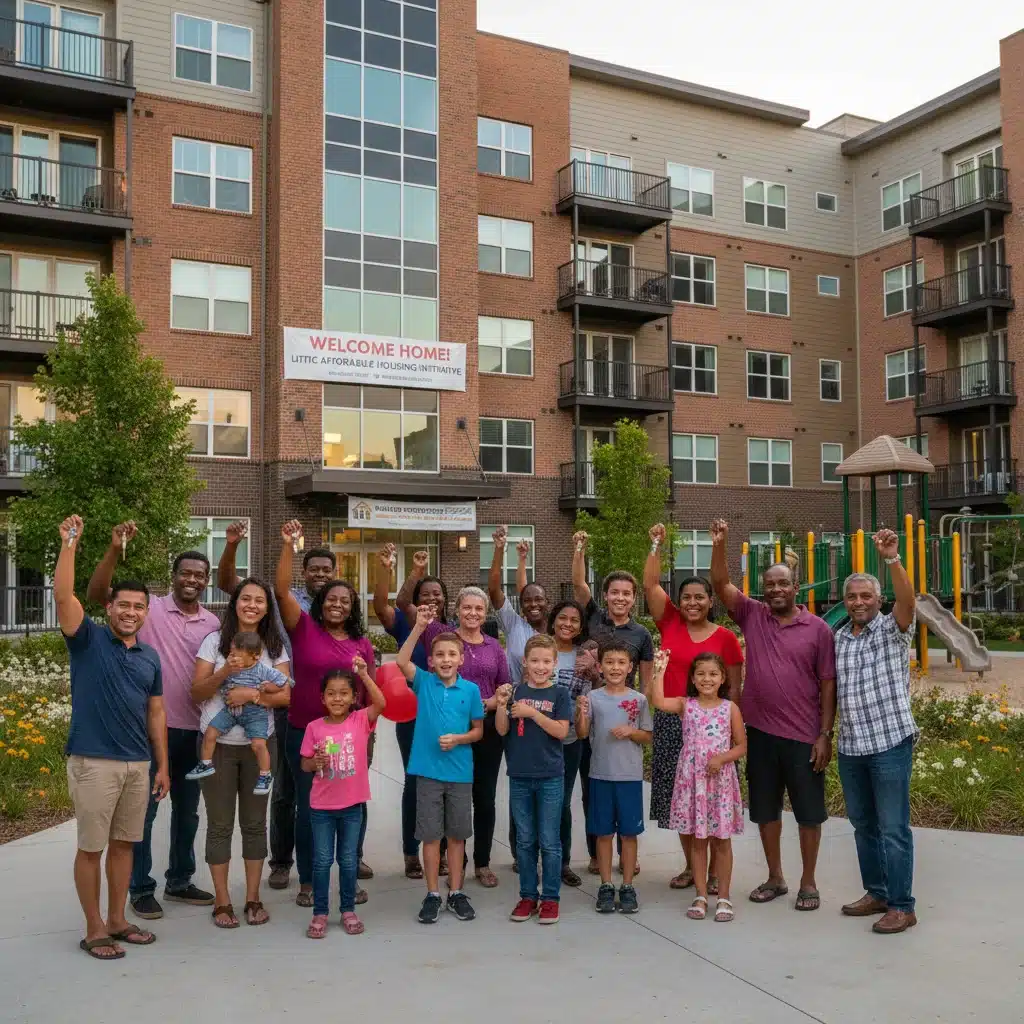
Looking to 2026 and beyond, the potential for LIHTC to continue addressing the affordable housing crisis remains immense. With ongoing innovation in financing structures, construction methods, and policy refinements, the program can adapt to new challenges and expand its reach. The continued advocacy for increased LIHTC allocations and programmatic improvements will be crucial to meeting the ever-growing demand for affordable homes.
Addressing the "Missing Middle"
While LIHTC is highly effective for very low-income households, there’s a growing discussion about how to address the "missing middle" – households that earn too much to qualify for traditional LIHTC but still struggle to afford market-rate housing. Future policy discussions around LIHTC may explore mechanisms to support housing for this demographic, potentially through complementary programs or targeted adjustments to existing incentives.
Rural Housing Development
Rural areas often face unique challenges in attracting affordable housing development due to lower population densities and limited access to resources. LIHTC has been a critical tool for rural housing, and in 2026, there may be further emphasis on incentives that specifically encourage development in these underserved communities, such as increased basis boosts or streamlined application processes for rural projects.
Conclusion
The Low-Income Housing Tax Credit program is more than just a tax incentive; it is a vital engine for creating affordable housing and fostering stronger, more equitable communities across the United States. As we move into 2026, LIHTC continues to be the cornerstone of federal efforts to address the affordable housing crisis, driving billions of dollars in private investment towards a critical public need. Its ability to leverage private capital, stimulate economic growth, and provide long-term housing stability makes it an indispensable tool in the nation’s housing strategy.
While challenges such as rising costs and complex regulatory environments persist, the program’s adaptability and the ongoing commitment from developers, investors, and policymakers ensure its continued relevance and impact. By understanding and supporting the LIHTC program, we contribute to a future where more individuals and families have access to safe, decent, and affordable homes, laying the foundation for greater social and economic well-being for all.